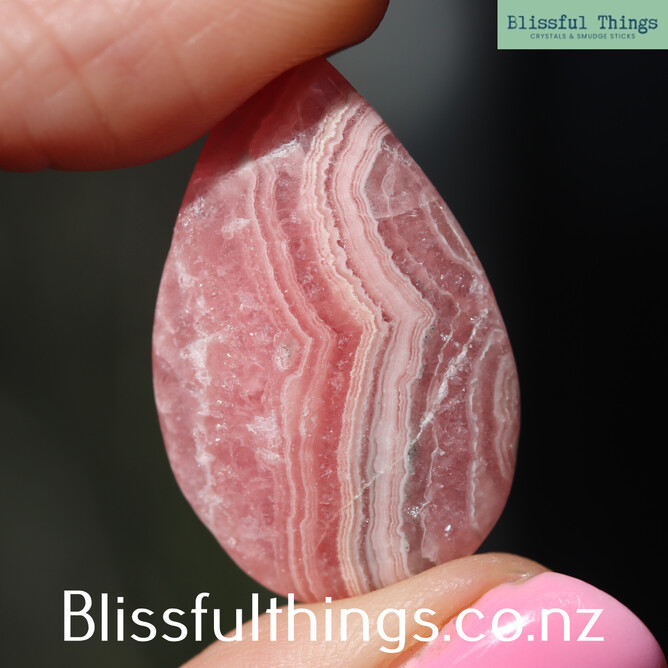
Cabochons: A Timeless Craft Reimagined
Cabochons—those smooth, domed, and polished stones without facets—have been cherished for centuries. From ancient amulets and medieval talismans to vintage brooches and today’s artisan jewellery, cabochons continue to enchant collectors and makers alike. The term cabochon comes from the French word caboche, meaning “head,” which fittingly describes their rounded top. Unlike faceted stones that sparkle with light, cabochons offer a gentle, glowing beauty that highlights the natural pattern, colour, and character of the stone.
The art of making cabochons is as satisfying as the finished gem itself. The process begins with selecting a suitable rough material—often something with striking colours, chatoyancy, or inclusions. The stone is then cut with a diamond saw, shaped on a grinding wheel, and refined through various stages of sanding and polishing. The stone is typically mounted on a dopping stick (a small stick with adhesive) to hold it safely while it’s worked on. Lots of water is used with diamond tools to keep both the stone and equipment cool. It’s a hands-on, meditative process—one that gives you an intimate connection to the stone in your hand.
I still remember the first time I made a cabochon. Way back in the 1980s, when my brother and I joined our local gem and mineral club, we were lucky to have access to a fully equipped workshop—complete with polishers, diamond saws, flat laps, and all sorts of curious machinery. But even more valuable were the kind and experienced club members who showed us the ropes. Under the careful watch of our parents and helpful enthusiasts, we both made our very own cabochons. I can still hear the gentle grinding wheel and feel the tension and joy of holding the dopping stick just right, moving the stone across different grades of coarseness, and finally seeing it come to a glossy polish. Water splashing, machines humming—and a sense of pride at the end. Back then, many of the club members seemed elderly to us children—gentlemen in bolo ties and ladies with oval cabochons set into what I’d now call wonderfully “gaudy” findings. It was such a special time.
Cabochons have seen a beautiful resurgence in recent years. Their flat base and curved surface make them ideal for a variety of uses: jewellery settings, pocket stones, gridding, decorative pieces, and crystal layouts (as they sit flat against the body or surface). They’re also popular in macramé, wire-wrapping, and other handmade jewellery-making mediums, especially among those seeking a more natural, bohemian aesthetic. Whether you're an artist, healer, or collector, cabochons offer an accessible and beautiful way to work with crystals.
There are also special types of cabochons worth mentioning: doublets and triplets. A doublet combines a thin slice of desirable material (like opal) adhered to a backing material, often to give strength or reduce cost. A triplet adds a third layer—a clear cap, usually quartz or glass—on top to protect the delicate centre. These clever constructions make it possible to enjoy otherwise fragile or rare materials in a wearable form.
Today, whether you’re making cabochons in a modern studio or treasure hunting at a market, these smooth stones continue to carry the charm of earth’s beauty—cut, polished, and made with care.
To view the cabochons we have at Blissful Things, click here. https://blissfulthings.rocketspark.co.nz/shop/#search=Cabochon
Stone in Photo, Rhodochrosite.

