Summer Finds & Stone Tumbling – A Kiwi Rock-Lover’s Guide
The great Kiwi summer has begun 🌿
And as we enthusiastically find ourselves scrambling to the beaches to beat the heat, lingering by lakes, or heading bush to some remote and beautiful spot, the crystal-loving magpie within us tends to wake up.
Before we know it, we’re spotting that something special — a glimmering stone, an interesting rock, a piece of crystal that simply begs to come home with us. Over time, our little bounty grows… and lo and behold, we suddenly have a wee collection of stones on our hands.
At this point, many Kiwi collectors — or those who’ve just caught a serious case of rock pox — start asking the same question:
“How do I polish them?”
A quick Google search later, and suddenly the idea of stone tumbling comes to the forefront. Then the messages start rolling in — social media posts, group questions, texts from friends who’ve known me for years, and the odd email too:
“Where do I get a tumbler from?”
It’s a great question… but hold your horses just a moment.
They Look Amazing Wet… But Are You Ready?
Freshly wet stones always look incredible. Tumbling can make them shine beautifully — but it does take time, patience, and money.
Before jumping in, it’s worth asking:
Do you have the time to commit?
Are you happy with the expense?
There’s no right or wrong answer — just the one that suits you best.
First Things First: Know Your Rocks
This is Tumbling 101.
Not all rocks are worth tumbling, and not all stones tumble well together. Knowing what you’re dealing with is essential before you even think about switching a tumbler on.
Key things to consider:
What type of stone is it?
Is it fractured or crumbly?
What is its hardness?
Why Hardness Matters
Hardness is incredibly important in the tumbling process. Stones of similar hardness should be tumbled together — otherwise, softer stones can be damaged, worn away, or turned to grit by harder ones.
This is why understanding the Mohs hardness scale is so helpful. It saves disappointment, protects your stones, and gives you much better results in the long run.
What Is Tumbling & How Long Does It Take?
Tumbling is a slow, step-by-step polishing process that usually involves several stages:
Coarse grind
Medium grind
Fine grind
Polish
Each stage can take a week or more, and the full process often takes several weeks to months, depending on the stone and the results you’re after.
This isn’t a quick hobby — it’s a patient one.
The Cost Factor – Let’s Be Honest
When it comes to tumblers, you truly get what you pay for.
Buying very cheap tumblers overseas can be risky — especially when it comes to motors, noise, durability, and replacement parts. In New Zealand, I’d recommend looking at places like:
Rotorua Rock Shop
Mr Gritt
Buying a small, new model is often a great way to start. You also have the peace of mind that if something goes wrong or you need advice, help is close by. There are also other fantastic NZ retailers worth exploring. These places also sell grits and polishing agents.
Second-Hand & DIY Options
Purchasing a second-hand tumbler can be a good option, especially if you’re mechanically minded. Some older or homemade tumblers may need refurbishing — motors replaced, belts adjusted, or general tinkering.
If you’ve got the know-how (and the patience), it can be a real money saver. Just be aware that setup time can vary greatly depending on the condition.
You can also build a tumbler from scratch — YouTube is full of inspiration and creative solutions.
Learn From Others
Facebook groups can be incredibly helpful, and joining your local gem and mineral club is one of the best things you can do. Some members are absolute mountains of knowledge and very generous with advice.
Just a fair warning…
That’s often where rock pox really takes hold 😄
Stone tumbling is a rewarding hobby, but it’s not one to rush into. Take your time, learn your stones, and decide what path feels right for you. Whether you tumble, trade, or simply treasure your finds as they are, each stone tells a story of summer adventures and curious eyes.
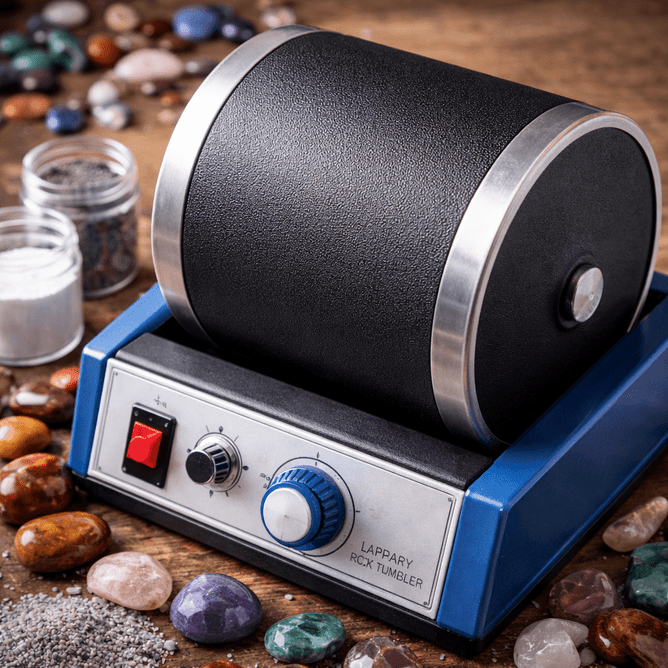
*Image is an AI-generated image and is used as an example of what a basic small tumbler looks like, to coincide with the blog.

